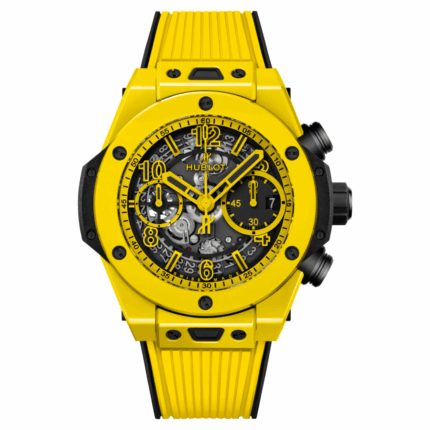
The case sandwich
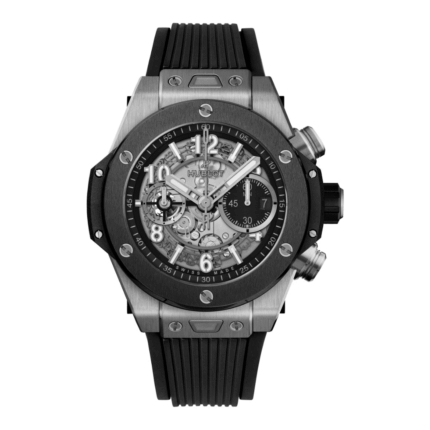
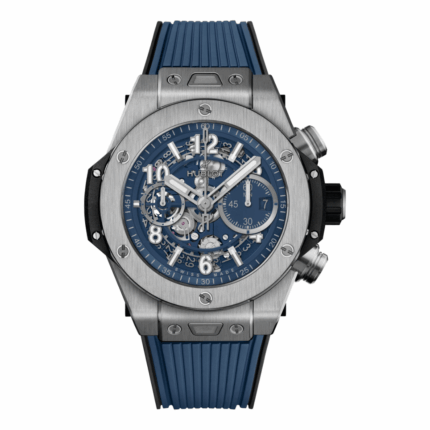
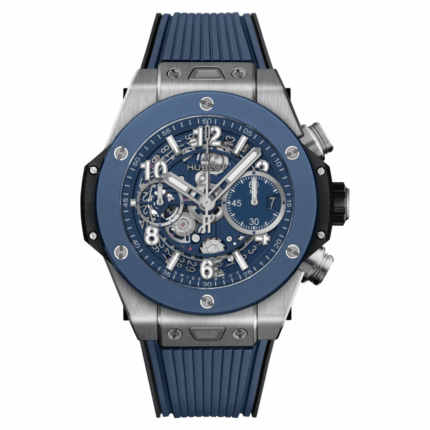
A Big Bang case is assembled from a bezel, a case middle and a caseback, held by six H-shaped screws, often with rubber or ceramic between the layers. Every joint is visible from the side. On a good build the layers sit flush and the H-screws are aligned in the same orientation. On a poor one you can see light in the seams and the screws point in random directions.
Check the screw heads first. It takes two seconds and it filters out most low-tier builds before you look at anything else.
The Hublot clone models we stock
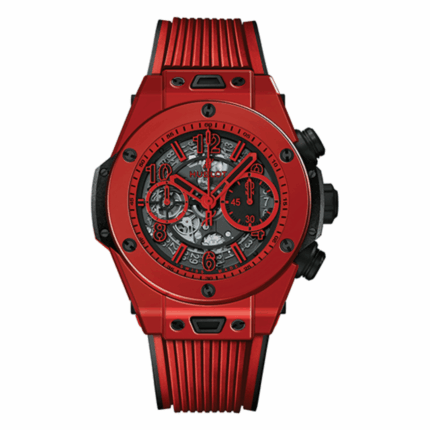
- Big Bang, 13 references including the Unico chronographs, ceramic and King Gold cases, and skeleton dials.
- Classic Fusion, 5 references, the thinner and quieter side of the brand at $930 to $1,050.
- Masterpiece, one reference, at $1,500.
Ceramic and rubber
Hublot uses a lot of coloured ceramic and integrated rubber straps, and both age badly when they are faked. Ceramic should feel cold and dense in the hand and should not have the slightly waxy surface of coated aluminium. The rubber should smell of nothing. A strong chemical smell out of the box is a reliable sign of a cheap compound that will harden inside a year.
Before it ships
Each Hublot spends 24 to 48 hours on a timegrapher. We photograph the case in profile specifically, because the layer joints and the screw alignment are invisible in a straight-on dial shot. You approve the photographs and video before dispatch. Two year warranty, in writing.
Frequently asked questions
How much is a Hublot super clone?
$930 to $1,500. Classic Fusion starts the range and the Masterpiece sits at the top.
What should I check first on a Big Bang?
The six H-screws on the bezel. If they are misaligned, the rest of the build will be careless too.
Is the Classic Fusion easier to get right than the Big Bang?
It has fewer case layers and fewer joints, so there is less to go wrong. It is also thinner, which means a generic movement shows up immediately as excess case depth.