Why the Royal Oak is harder to replicate than a Submariner
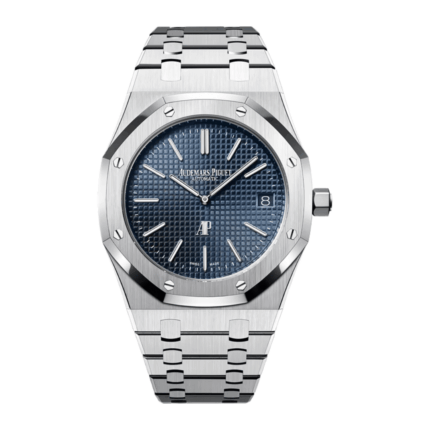
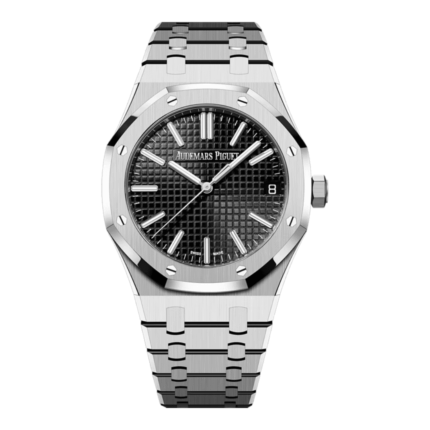
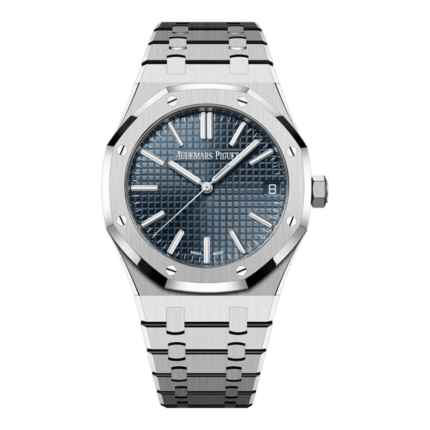
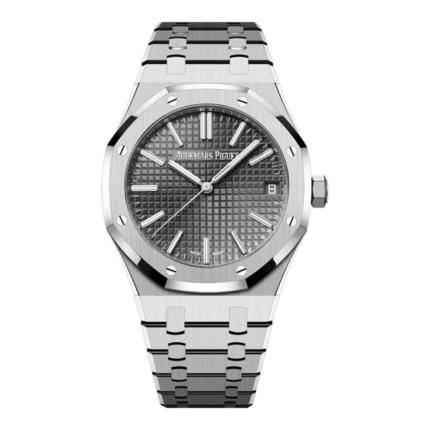
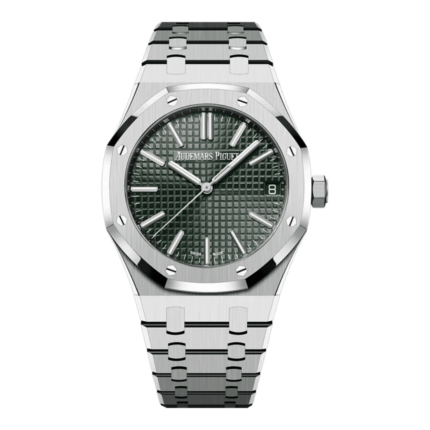
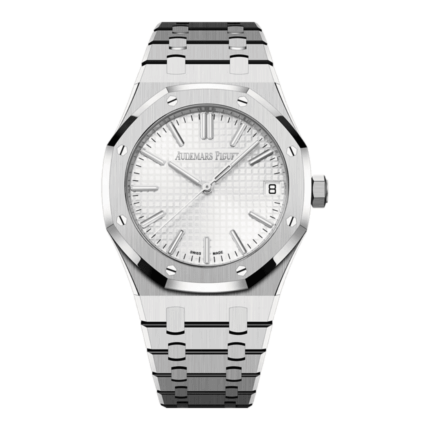
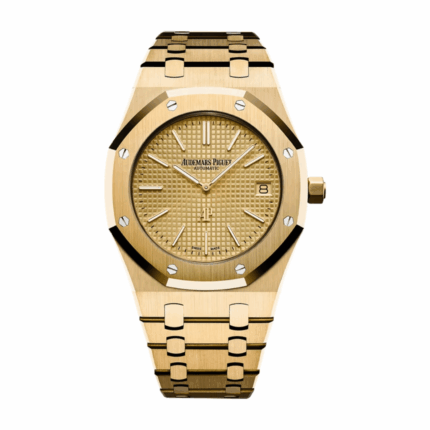
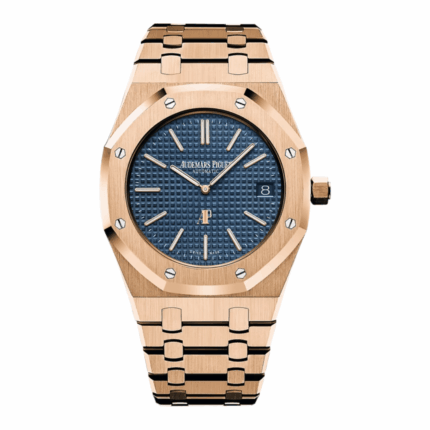
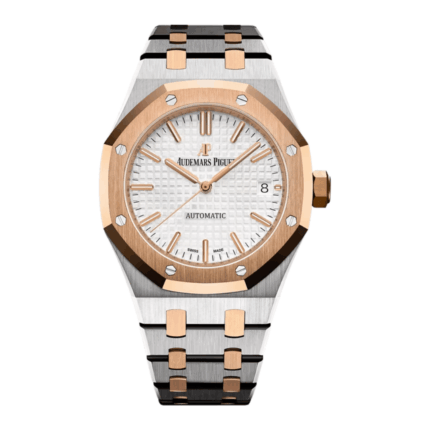
The Royal Oak has no bezel to hide behind and no rotating parts to distract the eye. Gérald Genta’s 1972 design is a flat octagon with eight exposed hexagonal screws and a bracelet that flows out of the case with no lugs, so every edge is visible from every angle.
That creates three specific failure points:
- The Tapisserie dial. The genuine Grande Tapisserie pattern is cut, not stamped, so the little pyramids have sharp shoulders and cast a real shadow. Entry-tier replicas press the pattern, which reads flat and slightly glossy under angled light. This is the single fastest tell.
- Case bevels. The Royal Oak alternates polished and brushed surfaces along the case flank. The line where they meet should be crisp enough to catch light as a single bright edge. Poor finishing rounds it off and the whole case looks soft.
- Bracelet taper and link play. The bracelet narrows across its length in a specific progression, and the links should articulate without rattle. Loose links are the most common complaint on cheap Royal Oaks and the hardest fault to live with.
Which factory to buy: ZF
ZF Factory leads the Royal Oak and has done since it took the model seriously around 2012. It is the only producer that reliably cuts the Tapisserie pattern to the correct depth and hand-finishes the case bevels rather than machine-polishing them flat.
The practical rule for replicas is to buy the factory that specialises in your model rather than the factory with the best general reputation. Clean Factory leads current Rolex sports references and is excellent at them, but it does not make a better Royal Oak than ZF. For this model, ZF is the answer.
References we stock
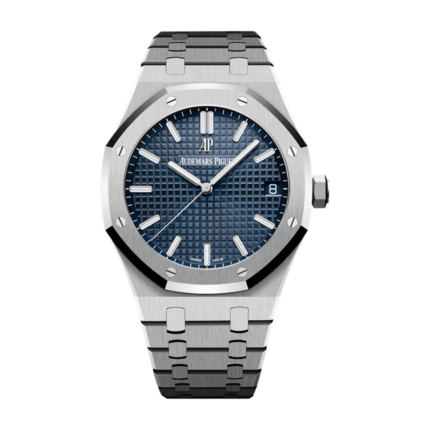
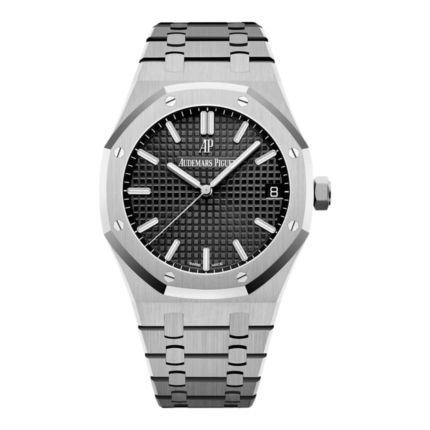
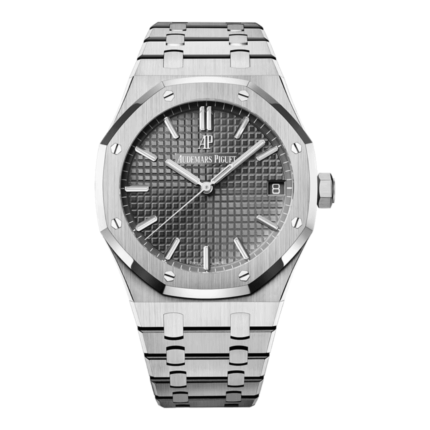
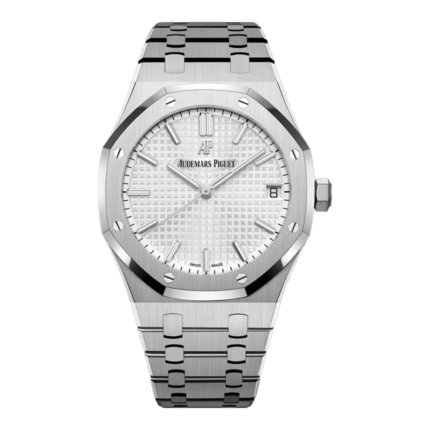
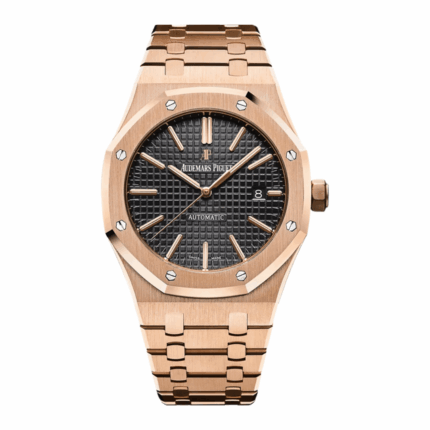
- 15500ST: the 41mm steel Royal Oak in black, blue, grey and white dials. The volume seller and the reference most people mean when they say “Royal Oak”.
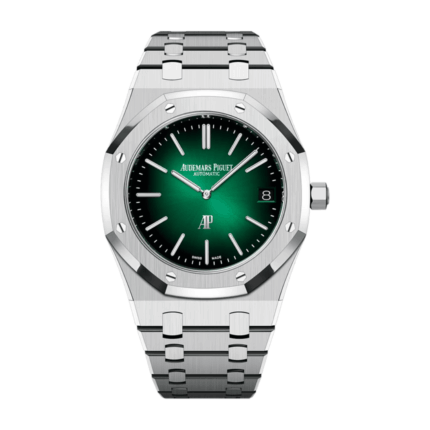
- 15510ST: the successor 41mm, available here in black, blue, grey, green and white.
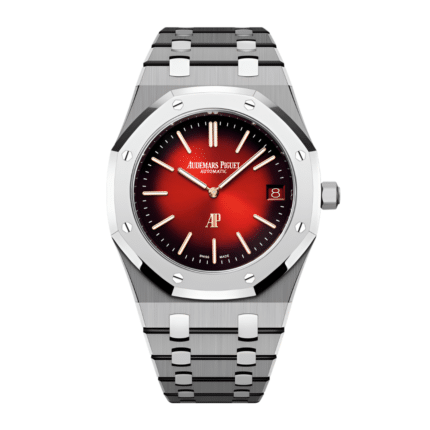
- 15202 Jumbo Extra-Thin: the 39mm ultra-thin with Petite Tapisserie, in steel, titanium and yellow gold. The connoisseur’s choice and the hardest to get right because the case is so shallow.
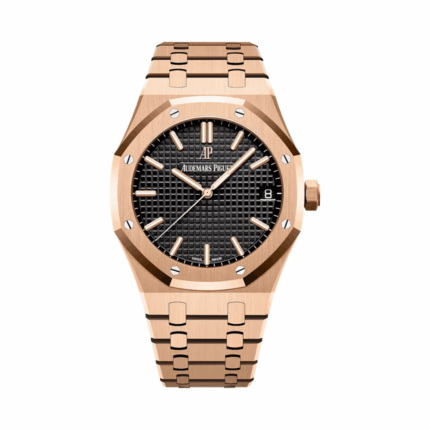
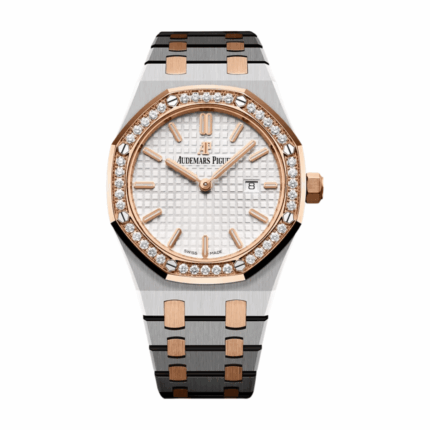
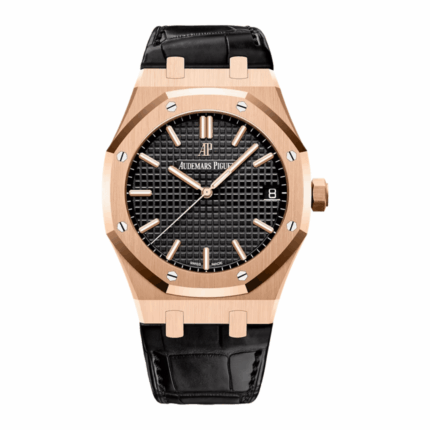
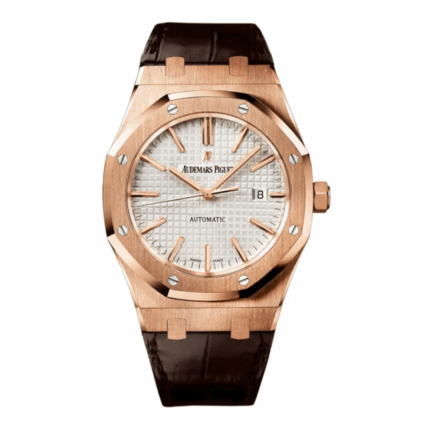
- 15500OR rose gold and rose gold on leather.
- Royal Oak Chronograph and Royal Oak Offshore for the larger, sportier case.
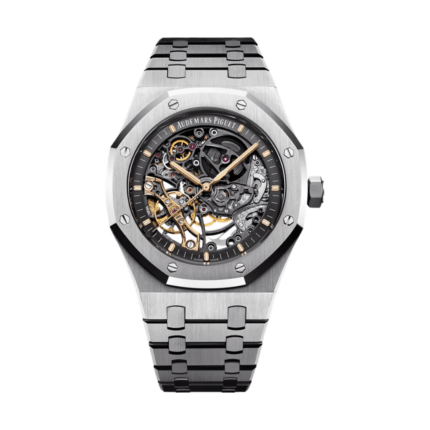
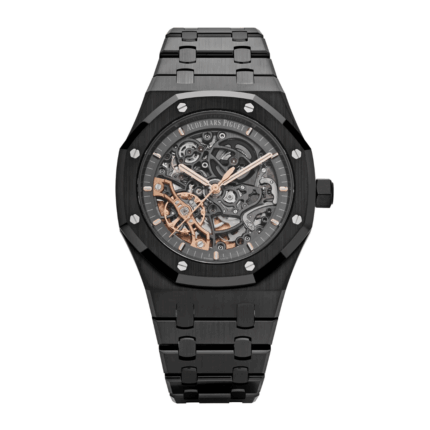
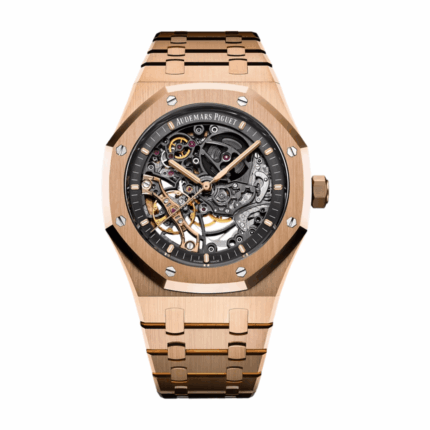
- Openworked Double Balance Wheel and Skeleton builds where the movement is the dial.
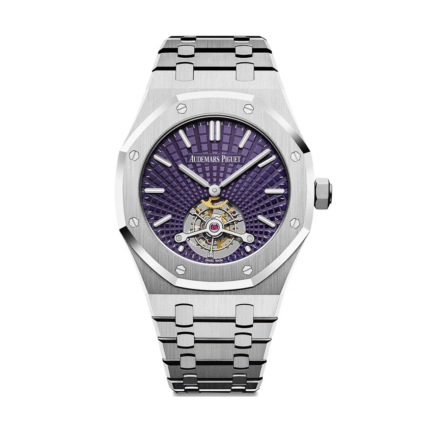
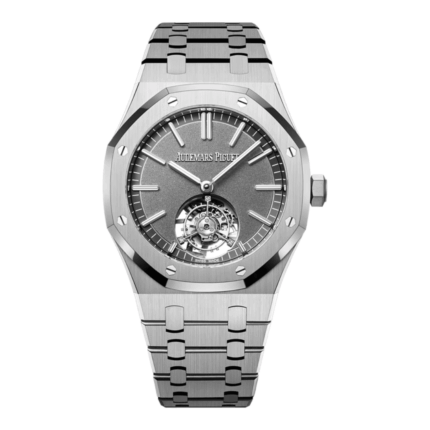
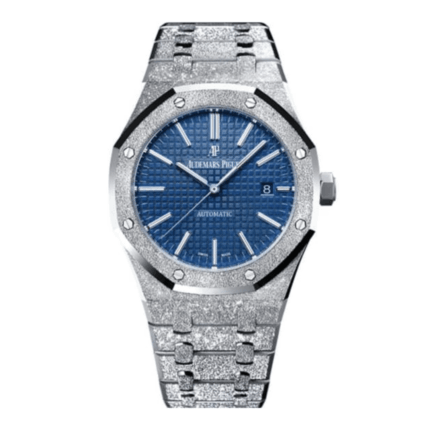
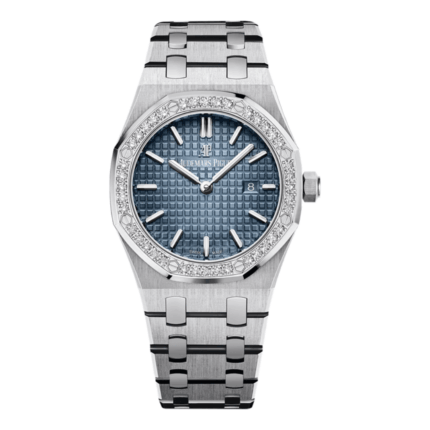
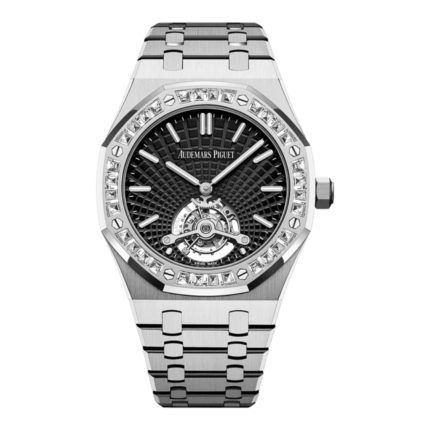
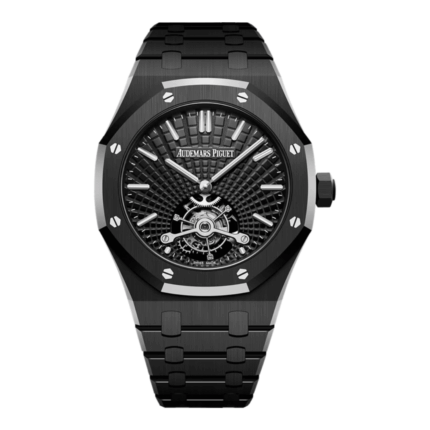
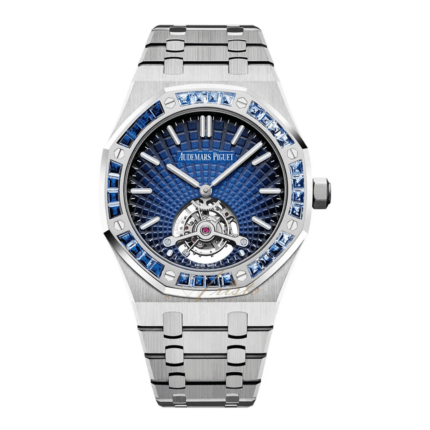
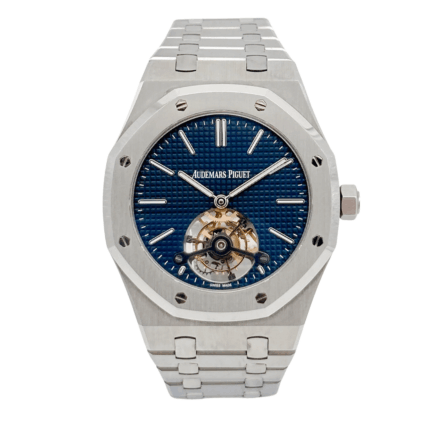
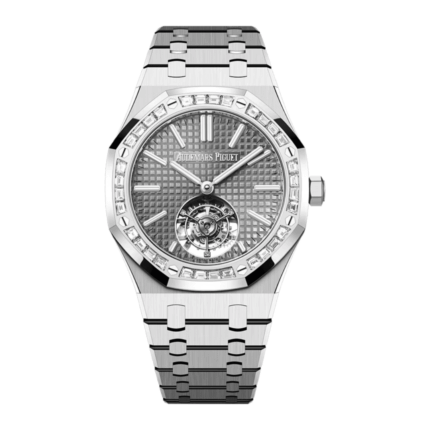
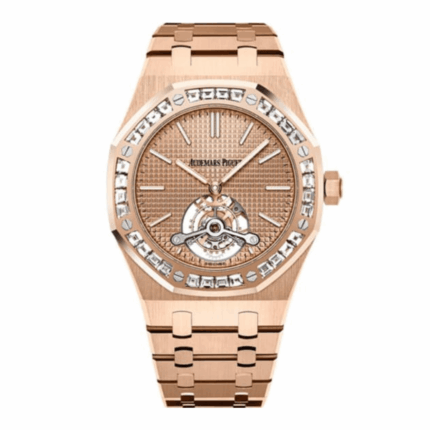
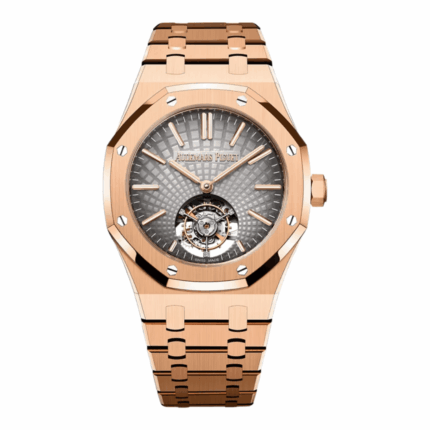
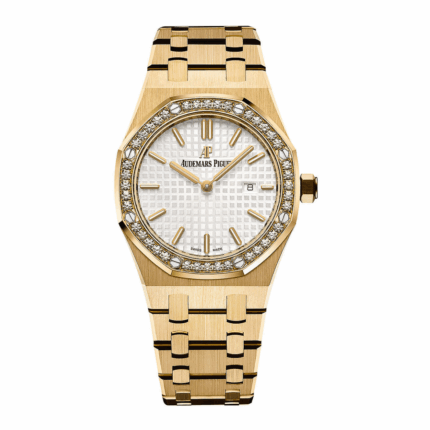
- Tourbillon, including the 26530TI, and Frosted, diamond-bezel and 33mm variants.
What you pay, and what the money buys
Our Royal Oak range runs $1,000 to $1,650, with most references around $1,200. Within that band the price difference is driven by movement complexity and case material, not by accuracy: a skeleton or tourbillon build costs more because there is more to make, not because the dial is better.
Above roughly $2,000 you are into Franken territory, where the case and bracelet are rebuilt in solid 18k gold or real titanium rather than plated. That is a material upgrade, not an accuracy upgrade. On a Royal Oak it matters more than on most watches, because the integrated bracelet carries the weight of the watch against your wrist all day and plating wears through fastest exactly there, at the link edges and the clasp.
Before it ships
Every Royal Oak spends 24 to 48 hours on a timegrapher before dispatch, and we check the dial pattern depth, bevel definition, bezel screw alignment and bracelet articulation by hand. You receive photographs and video of your specific watch and can reject it before it leaves us. On this model that stage matters more than on any other, because screw alignment and dial texture are the two things a photograph reveals immediately and a description never will.
Frequently asked questions
How much is a good AP Royal Oak replica?
$1,000 to $1,650 for a super-clone. Below roughly $700 the Tapisserie dial will be stamped rather than cut and the bracelet will rattle. Above $2,000 you are paying for solid gold or titanium, not better accuracy.
Which factory makes the best Royal Oak replica?
ZF Factory. It is the only one that consistently cuts the Tapisserie pattern to the correct depth and hand-finishes the case bevels.
What gives away a fake Royal Oak fastest?
The dial. A pressed Tapisserie pattern looks flat and slightly glossy under angled light, where a cut pattern casts visible shadow. After that, soft case bevels and a rattling bracelet.
Is the 41mm or the 39mm Jumbo the better buy?
The 41mm 15500 and 15510 are easier to get right and easier to wear daily. The 39mm 15202 Jumbo is the more admired watch but the thin case leaves nowhere to hide a finishing mistake, so buy it only from a factory that specialises in it.
Do the eight bezel screws line up?
On a correct build, yes. Misaligned or unevenly seated hexagonal screws are a common fault on low-tier Royal Oaks and one of the first things we check.