
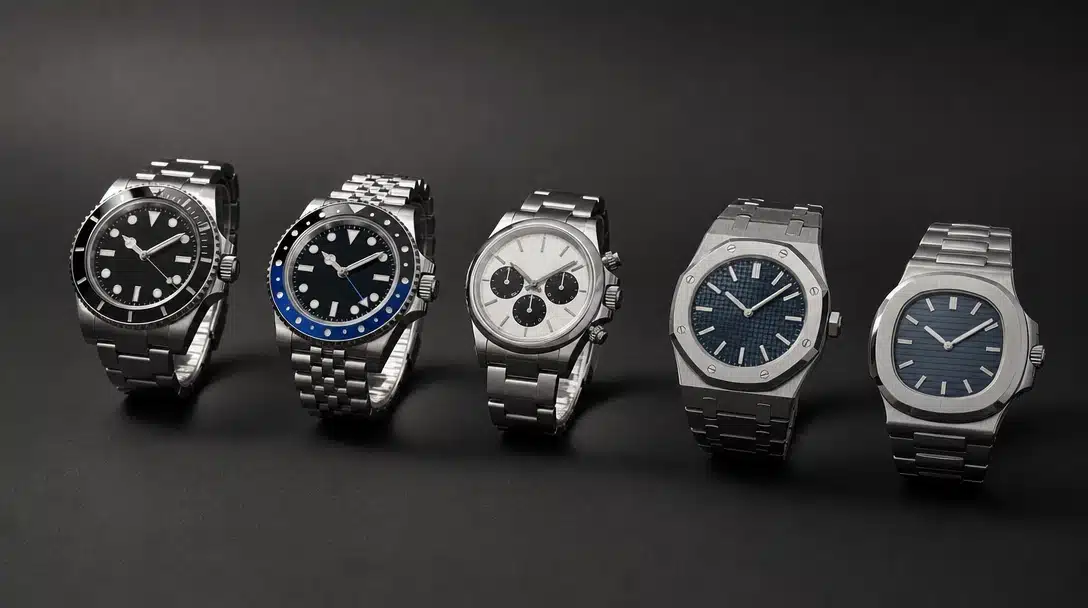
A super clone is a replica built around a cloned movement, meaning a calibre that reproduces the architecture of the genuine one rather than simply keeping similar time. That single difference is what separates a $1,200 watch from a $300 one, and it is why the phrase exists at all.
The short answer
A super clone watch is a replica whose movement is a copy of the genuine calibre, not a generic automatic dressed to look similar. Because the movement matches, the case is the correct thickness, the complications work, and the view through a display case-back is right.
Expect $900 to $1,600. Below $700 it is not a super clone. Above $2,000 you are paying for real gold, carbon or ceramic, not better accuracy. No single factory leads every model: Clean leads current Rolex sports references, VSF leads Omega, ZF leads Audemars Piguet, 3K leads Patek, AR leads older Submariners.
We sell these watches, so treat what follows as a dealer’s account rather than a neutral one. It is also first-hand, which most articles on this subject are not. Every price quoted below is a live selling price from our own catalogue.
What makes a watch a super clone rather than a replica

The distinction is mechanical, not marketing. A super clone reproduces the genuine movement’s layout: the same bridge shapes, the same escapement type, the same rotor design, often the same part dimensions. An ordinary replica fits a generic automatic movement and decorates it.
The practical consequences:
- Case thickness is correct. A cloned movement has the same dimensions as the original, so the case can be the same depth. Generic movements are thicker, which is why cheap replicas sit too high on the wrist.
- Complications actually function. A cloned chronograph starts, stops and resets properly. A decorated generic movement often has sub-dials that do not move.
- The caseback survives inspection. On display-back models you are looking at the movement, so architecture matters visibly.
- Servicing is possible. Cloned movements broadly accept genuine-pattern parts. Generic movements do not.
The three tiers, side by side
| Tier | Price | Movement | What gives it away |
|---|---|---|---|
| Entry | Under $700 | Generic Miyota or unbranded NH35 clone | Weight, dial font, bezel rattle, hollow end links. Recognisable to anyone who has handled the real one. |
| Super clone | $900 to $1,600 | Cloned calibre matching the genuine architecture | Survives close inspection. Identifiable by an authorised dealer opening the case, not by an onlooker. |
| Franken | $2,000 and up | Same as super clone | Nothing extra. You are buying solid gold, platinum, real carbon or real ceramic, not more accuracy. |
The most common buying mistake is assuming price tracks accuracy all the way up. It does not. Accuracy plateaus at the top of the super clone tier. Beyond that you are buying metal.
Super clone versus AAA, 1:1, and other grade labels
Terms like “AAA”, “1:1” and “premium grade” are seller inventions with no agreed definition. Anyone can print them. “Super clone” at least points at something checkable: ask which movement is inside. If the answer is a calibre number that matches the genuine architecture, such as a cloned 3135, 4130, 3186, 3120 or 8800, it is a super clone. If the answer is vague, or “Japanese automatic”, or nothing at all, it is not.
The one question worth asking any dealer: which movement is in this watch? A dealer who cannot answer has not opened it.
Are super clone watches legal?
Buying one for personal use is not a criminal matter in most countries, including the United States. Selling counterfeit goods is illegal, and importing them can result in seizure by customs. The legal exposure sits overwhelmingly with sellers rather than private buyers.
In practice, for a buyer in the US or EU:
- Personal-use purchases are not prosecuted. There is no realistic scenario in which an individual is charged for owning one watch.
- Customs may seize a parcel. This happens occasionally, not usually. A seized parcel is a lost parcel, which is why the dealer’s replacement policy matters more than any legal question.
- Reselling as genuine is fraud, and that is a different matter entirely.
This is general information, not legal advice, and rules vary by country. If you live somewhere with strict enforcement, check your own jurisdiction.
Who makes the best super clone watches
No single factory leads everything. Each specialises, and the correct answer changes by model. Buying the factory that specialises in your reference beats buying the factory with the loudest general reputation.
| Factory | Leads | Cloned movements |
|---|---|---|
| Clean Factory | Current Rolex sports: Submariner 41mm, GMT-Master II, Daytona, Datejust | VR3135, 3186, 4130, 3235 |
| VSF Factory | Omega across the range, plus Rolex Daytona | Co-Axial 8800 and 8500, manual 1861 |
| ZF Factory | Audemars Piguet Royal Oak, all variants | 3120, 3126 |
| 3K Factory | Patek Philippe Nautilus and Aquanaut, current spec | 26-330 SC, 324 SC |
| AR Factory | Older 40mm Rolex Submariner references | Cloned 3135 |
Best super clone by model
- Rolex Submariner super clone: Clean Factory for the current 41mm ceramic, AR Factory for older 40mm references.
- Rolex GMT super clone: Clean Factory only. It is the one producer with a true cloned 3186, which is what makes the independently jumping hour hand work.
- Rolex Daytona super clone: Clean Factory, with VSF as the alternative. Both clone the 4130 rather than bolting a chronograph module onto a 3135.
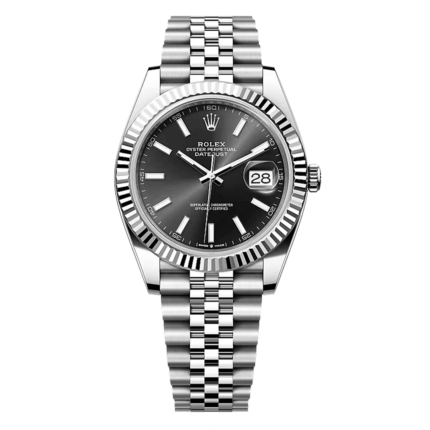
- Rolex Datejust super clone: Clean Factory or ZF.
- Rolex Sky-Dweller super clone: the hardest Rolex to replicate. Expect the annual calendar to be partly simplified regardless of factory.
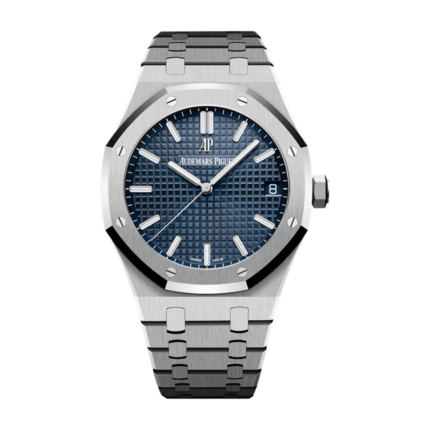
- AP super clone and AP Royal Oak super clone: ZF Factory, which is the only one cutting the Tapisserie dial to correct depth.
- Patek Philippe super clone: 3K Factory for Nautilus and Aquanaut.
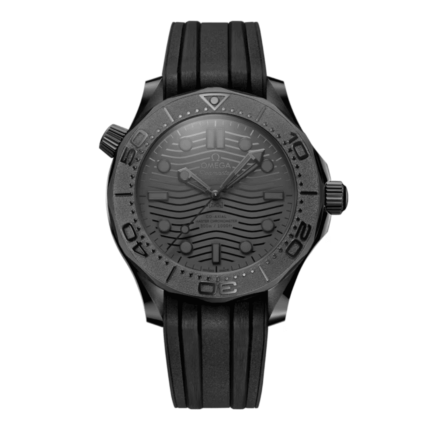
- Omega super clone: VSF Factory, effectively the only credible option because of the Co-Axial escapement.
- Richard Mille super clone: a special case, covered below.
Before you buy anywhere: our trusted dealer page sets out the five tests a seller has to pass, what the RepTime TD list actually is, and how to check any dealer in five minutes.
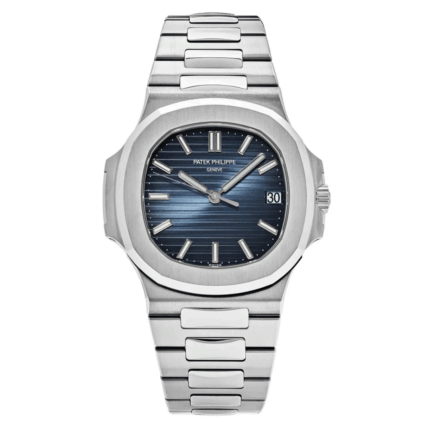
Patek Philippe Nautilus 5711 Blue Dial Super Clone
$1,200.00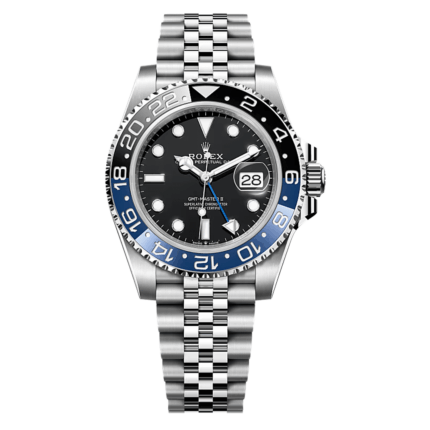
Rolex GMT Master II Batman Super Clone
$1,200.00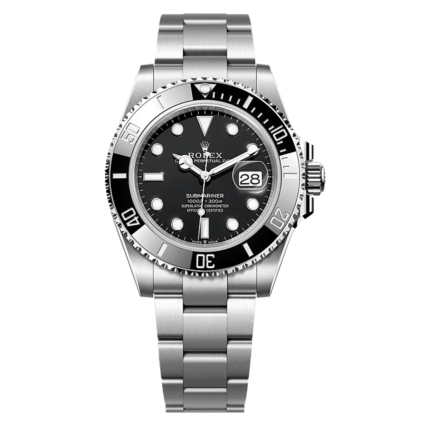
Rolex Datejust Black Dial Super Clone
$1,150.00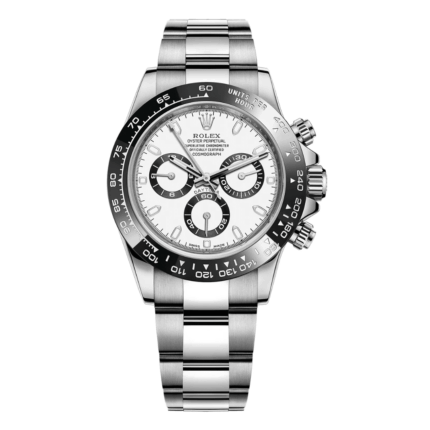
Richard Mille super clones are different

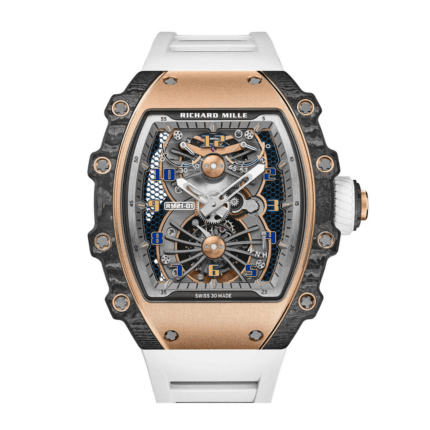
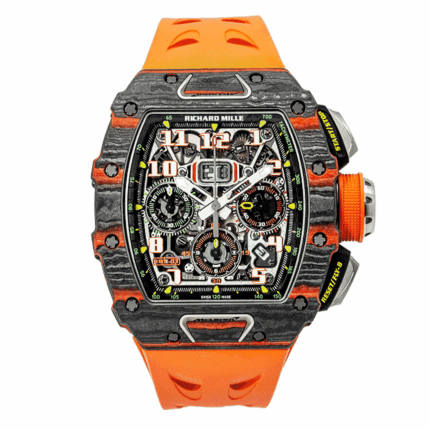
Richard Mille sits outside the usual framework because the genuine watches are built from exotic materials: skeletonised tonneau cases in carbon TPT, quartz TPT and titanium, with movements visible from every angle. There is far less to hide behind than on a closed-dial watch.
A convincing RM replica therefore depends more on case material and machining than on movement cloning, and the price spread is wider than anywhere else in the market. Our Richard Mille range runs from around $1,250 for standard builds to $9,800 for pieces using genuine forged carbon and real precious metal.
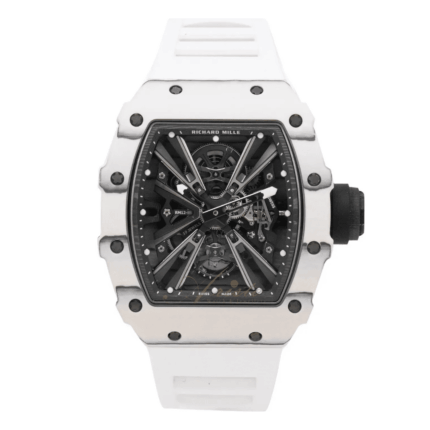
Richard Mille RM12-01 White Carbon Super Clone
$1,450.00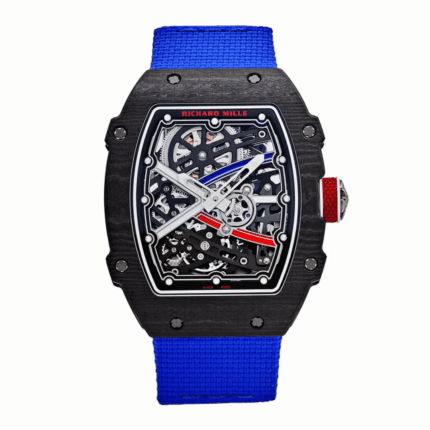
What super clone watches cost
Expect $900 to $1,600 for a genuine super clone. That band is consistent across brands because the cost driver is the movement, not the badge on the dial.
- Under $700: not a super clone regardless of the listing. Generic movement, pressed dial patterns, hollow bracelet links.
- $900 to $1,600: the real super clone band. Cloned movement, correct case dimensions, functioning complications.
- Above $2,000: you are no longer buying accuracy. Accuracy plateaus at the top of the super clone band. Beyond it you are buying material: solid 18k gold, platinum, genuine carbon fibre, real ceramic.
Current pricing across our own catalogue, read from live stock:
| Model | Price | Leading factory |
|---|---|---|
| Omega Seamaster and Speedmaster | $900 to $1,100 | VSF |
| Rolex Submariner | $1,100 to $1,200 | Clean, AR |
| Rolex Datejust | $1,150 to $1,200 | Clean, ZF |
| Rolex GMT-Master II | $1,200 to $1,350 | Clean |
| AP Royal Oak | $1,000 to $1,650 | ZF |
| Patek Nautilus and Aquanaut | $1,200 to $1,500 | 3K |
| Rolex Daytona | $1,350 to $2,600 | Clean, VSF |
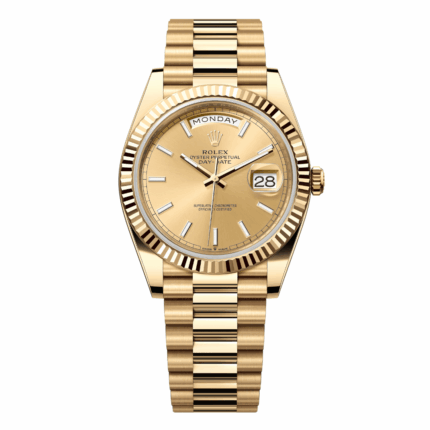
| Rolex Day-Date | $1,250 to $12,400 | Clean, ZF |
| Richard Mille | $1,250 to $9,800 | Specialist builds |
The upper ends of the Day-Date and Richard Mille ranges are solid gold and genuine carbon builds, not more accurate replicas.
The five things that give a replica away

In the order they actually catch people out:
- Weight. Plated cases and hollow links feel wrong in the hand before anything registers visually.
- Bezel action. A genuine dive bezel has a specific click count and a firm, damped feel. Cheap bezels rattle and overshoot.
- Dial printing at 10x. Text edges should be sharp. Low-tier printing looks feathered under a loupe.
- Lume colour and duration. Wrong shade, and dead within an hour.
- Date magnification. A Rolex cyclops magnifies 2.5x and sits centred over the date.
A true super clone passes all five. An ordinary replica fails at least two. For the other side of this, which authentication tests still work in 2026, we have written that up separately.
Where to buy a super clone safely

The dealer matters more than the watch, because most payment methods in this market carry no chargeback protection. Run these checks on anyone, including us.
- Do they shoot their own photographs? Reverse-image search a few. If the same shots appear on twenty sites, the seller is drop-shipping and has never handled the watch.
- Do they send QC photos and video of your specific watch before dispatch, and will they hold the order if you reject it? Use our watch QC checklist to record the configuration, evidence and unanswered questions.
- Will they name the factory and the movement, rather than saying “1:1 AAA quality”?
- Do they accept a payment method with a record? Crypto-only, or a large discount for paying in crypto, is a warning sign.
- Is the warranty written down with a stated length and process? Ours is one year, in writing.
- Walk away from stock photography, crypto-only payment, prices far below the super clone band, and any pressure to complete the order quickly.
Test a dealer with one mid-priced order before committing to an expensive one. How they handle a $1,200 purchase tells you how they will handle a $9,000 one.
Frequently asked questions
What is a super clone watch?
A replica built around a cloned movement that reproduces the genuine calibre’s architecture, rather than a generic automatic dressed up to look similar. It is the reason case thickness, complications and caseback appearance come out correct.
What is the difference between a super clone and a replica?
The movement. A super clone clones the genuine calibre. An ordinary replica fits a generic one. Everything else, case depth, working chronographs, servicing, follows from that.
Are super clone watches legal to buy?
Buying for personal use is not prosecuted in most countries including the US. Selling counterfeits is illegal, and customs can seize an imported parcel. The risk sits with sellers, not private buyers.
Who makes the best super clone watches?
It depends on the model. Clean Factory leads current Rolex sports references, VSF leads Omega, ZF leads AP Royal Oak, 3K leads Patek Nautilus and Aquanaut, AR leads older Submariners.
How much should a super clone cost?
$900 to $1,600. Below $700 it is not a super clone. Above $2,000 you are paying for real precious metal, not better accuracy.
What is the best super clone Rolex?
For most buyers, a Clean Factory Submariner or Explorer. Both are simple enough that a good build is genuinely hard to distinguish, and both sit near the bottom of the price band.
Can a super clone be spotted by an authorised dealer?
Yes. An AD opening the caseback and comparing serials will identify it. A super clone is built to survive ordinary scrutiny, not laboratory examination or servicing by the brand.
Do super clone watches hold accurate time?
A cloned movement typically runs within a few seconds a day, comparable to a good Swiss automatic. We test every watch on a timegrapher for 24 to 48 hours before dispatch for exactly this reason.